
What Does Car Insurance Cover in Canada?
Wednesday, 11 March 2026
Reviewed by Michelle Bragg, VP Personal Lines, RIBO Licensed | Last Reviewed: May 2026
Car insurance in Canada helps pay for injuries, vehicle damage, property damage, and certain financial losses after an accident or insured event. In Ontario, every driver must carry mandatory auto insurance coverage, while optional protections such as collision and comprehensive coverage can provide additional financial protection for families and vehicle owners.
Understanding what car insurance covers in Canada is important because coverage is divided into several categories, each designed for a different purpose. Ontario policies commonly include third-party liability, accident benefits, uninsured automobile coverage, and optional protections like collision and comprehensive insurance.
This article is for general informational purposes only and does not provide legal, insurance, financial, or regulatory advice. Auto insurance rules, coverage requirements, and policy wording may vary by insurer and province. Ontario drivers should confirm current requirements with their insurer, broker, and the Government of Ontario.
What Does Car Insurance Cover in Canada?
Canadian auto insurance policies typically cover four main areas:
- Injuries or damage you cause to others
- Medical and recovery expenses after an accident
- Damage to your own vehicle
- Losses caused by theft, weather, vandalism, or uninsured drivers
In Ontario, the province regulates mandatory auto insurance coverage requirements. Drivers can also customize policies with optional endorsements and higher coverage limits depending on their vehicle, household needs, and financial situation.
According to the Insurance Bureau of Canada (IBC), Ontario drivers must carry mandatory auto insurance that includes at least $200,000 in third-party liability, accident benefits, direct compensation-property damage (where applicable), and uninsured automobile coverage.
What Are the Mandatory Auto Insurance Coverage Types in Ontario?
Third-Party Liability Coverage
Third-party liability coverage is mandatory across Canada and forms the foundation of every Ontario auto insurance policy.
This coverage may help pay for:
- Injuries to another person
- Damage to another vehicle
- Damage to property
- Legal defence costs and settlements
If you are found legally responsible for an accident, liability coverage helps protect your finances from potentially significant costs.
The minimum required liability limit in Ontario is $200,000, but many drivers select limits of $1 million or $2 million because serious accidents can involve substantial medical and legal expenses.
Accident Benefits Coverage
Ontario uses a no-fault insurance system, meaning your own insurer provides accident benefits regardless of who caused the collision.
Accident benefits may help cover:
- Medical and rehabilitation expenses
- Income replacement benefits
- Caregiver expenses
- Attendant care support
- Funeral expenses in eligible situations
These benefits are designed to support recovery after an accident and help individuals return to normal daily activities as quickly as possible.
Uninsured Automobile Coverage
Uninsured automobile coverage protects you if:
- An uninsured driver causes an accident
- You are involved in a hit-and-run collision
- An unidentified driver damages your vehicle or causes injuries
This mandatory coverage helps prevent Ontario drivers from facing major financial losses because another motorist lacked valid insurance.
Direct Compensation Property Damage (DCPD)
Ontario previously used Direct Compensation Property Damage (DCPD) coverage for eligible not-at-fault accidents occurring within the province.
According to the Financial Services Regulatory Authority of Ontario (FSRA), as of January 2024, Ontario drivers can now opt out of DCPD coverage through an endorsement offered by insurers. Drivers considering this option should understand that opting out may leave them responsible for repair costs after certain not-at-fault accidents.
What Does Collision Coverage Include?
Collision coverage helps pay to repair or replace your vehicle after an accident involving:
- Another vehicle
- A guardrail or stationary object
- A rollover
- A single-vehicle collision
Collision coverage applies regardless of fault determination, subject to your policy terms and deductible.
Although collision insurance is optional in Ontario, lenders and leasing companies commonly require it until financing obligations are complete.
When Is Collision Coverage Helpful?
Collision coverage is often valuable for:
- Newer vehicles
- Financed or leased vehicles
- Families who rely heavily on one vehicle
- Drivers who want help managing large repair costs
Without collision coverage, you may need to pay for repairs to your own vehicle out of pocket after an at-fault accident.
What Does Comprehensive Coverage Include?
Comprehensive coverage protects against losses unrelated to a driving collision.
This may include damage caused by:
- Theft or attempted theft
- Vandalism
- Fire
- Falling objects
- Hail or windstorms
- Flooding in eligible circumstances
- Animal impacts
Comprehensive insurance is especially relevant in Canada because weather-related vehicle damage and theft claims can occur throughout the year.
Does Comprehensive Coverage Cover Weather Damage?
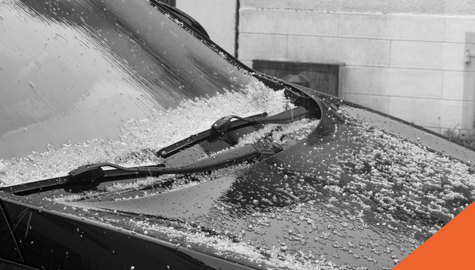
Yes. Comprehensive coverage generally includes weather-related losses such as hail, wind, ice storms, and falling tree branches, subject to policy wording and deductibles.
According to the Insurance Bureau of Canada (IBC) Facts of the Property and Casualty Insurance Industry in Canada, severe weather losses in Canada have increased significantly in recent years, contributing to higher insured damage claims nationwide. As well as more than a 3,000% increase in insured losses from 1983 to 2022.
Does Comprehensive Insurance Cover Theft?
Comprehensive coverage commonly includes protection for vehicle theft and attempted theft.
Ontario vehicle owners may also consider endorsements such as:
- Depreciation waiver coverage
- Replacement cost endorsements
- Specified perils coverage
These optional protections can help provide additional financial support if a newer vehicle is declared a total loss after theft or severe damage.
Comprehensive vs Collision Canada: What Is the Difference?
Many drivers compare comprehensive vs collision coverage when deciding how much protection they need.
| Coverage Type | What It Covers | Common Examples |
| Collision Coverage | Damage from driving collisions | Vehicle accidents, rollovers, hitting an object |
| Comprehensive Coverage | Non-collision damage |
Theft, hail vandalism, fire, falling objects |
Collision coverage focuses on accidents involving vehicle impact, while comprehensive coverage addresses many risks that occur when the vehicle is parked or affected by external events.
Many Ontario drivers choose both coverages together for broader protection.
What Is Commonly Not Covered by Car Insurance?
Auto insurance policies also contain exclusions and limitations.
Most Ontario policies do not typically cover:
- Normal wear and tear
- Mechanical breakdowns
- Rust or corrosion
- Intentional damage
- Racing activities
- Using a personal vehicle for commercial purposes without proper coverage
- Damage occurring while driving without valid insurance
Reading your policy wording carefully helps clarify what is and is not included.
Do You Need Full Coverage in Ontario?
“Full coverage” is not an official insurance term, but it commonly refers to a policy that includes:
- Mandatory liability coverage
- Accident benefits
- Uninsured automobile coverage
- Collision coverage
- Comprehensive coverage
Drivers with financed or leased vehicles are often required to maintain collision and comprehensive insurance until the financing term ends.
Who Often Chooses Full Coverage?
Full coverage may be beneficial for:
- Families with newer vehicles
- Drivers with higher-value vehicles
- Households dependent on one primary vehicle
- Drivers seeking broader financial protection
Older vehicles with lower market value may not always require the same level of optional coverage.
How Much Mandatory Auto Insurance Coverage Is Required in Ontario?
Ontario drivers must legally carry:
- At least $200,000 in third-party liability coverage
- Accident benefits coverage
- Uninsured automobile coverage
- Additional mandatory protections required under provincial regulations
According to both the Financial Services Regulatory Authority of Ontario (FSRA) as well as section 2(3) of the Ontario Compulsory Automobile Insurance Act, drivers convicted of operating a vehicle without valid insurance may face fines ranging from $5,000 to $50,000 depending on whether it is a first or subsequent offence.
How Can Ontario Families Choose the Right Car Insurance Coverage?
Choosing the right coverage depends on several factors, including:
- Vehicle value
- Financing or lease obligations
- Daily driving habits
- Household budget
- Commuting distance
- Teen or occasional drivers in the household
Families often benefit from reviewing their coverage annually to ensure it still matches their needs and vehicle usage.
What Questions Should You Ask During a Coverage Review?
When reviewing your policy, consider asking:
- What deductibles apply to my policy?
- Do I have replacement cost coverage?
- Are rental vehicle costs included?
- Does my policy include accident forgiveness?
- Is my liability limit appropriate for my household?
A coverage review can help clarify existing protections and identify areas where additional protection may be useful.
For more information about comparing Ontario policy options, visit our website to learn more, or request a quote from BIG today.
What Optional Auto Insurance Coverages Are Available in Ontario?
Ontario insurers may offer optional endorsements and additional protections such as:
Accident Forgiveness
Accident forgiveness may help protect your driving record rating after an eligible first at-fault accident.
Loss of Use Coverage
This coverage may help pay for a temporary rental vehicle while your insured vehicle is being repaired after a covered claim.
Depreciation Waiver Coverage
Depreciation waiver endorsements may help newer vehicles retain their purchase value if declared a total loss within a specified timeframe.
Increased Accident Benefits
Drivers can purchase higher accident benefits limits for additional medical, rehabilitation, and income replacement protection.
Why Is Understanding Car Insurance Coverage Important?
Understanding what car insurance covers in Canada helps drivers:
- Make informed coverage decisions
- Understand policy limitations
- Reduce unexpected out-of-pocket expenses
- Protect family finances after accidents
- Review coverage confidently during renewals
Insurance policies are designed to address different types of risks, so knowing how each coverage works together is important for long-term financial protection.
Frequently Asked Questions
Is car insurance mandatory in Ontario?
Yes. Ontario law requires all drivers to carry mandatory auto insurance that includes liability coverage, accident benefits, and uninsured automobile coverage.
Does car insurance cover damage to my own vehicle?
Damage to your own vehicle may be covered through collision or comprehensive insurance, depending on how the damage occurred and your policy selections.
Does comprehensive coverage include hail damage?
Yes. Comprehensive coverage generally includes protection for hail, windstorms, and other eligible weather-related damage.
What is the difference between comprehensive and collision coverage?
Collision coverage helps pay for accident-related vehicle damage, while comprehensive coverage protects against non-collision losses such as theft, vandalism, and weather damage.
Is collision coverage mandatory in Ontario?
No. Collision coverage is optional, although lenders and leasing companies commonly require it for financed or leased vehicles.
Does car insurance cover hit-and-run accidents?
Ontario policies include uninsured automobile coverage, which may help if you are involved in a hit-and-run accident.
Key Takeaway
Car insurance in Canada helps protect drivers financially after accidents, injuries, theft, weather events, and other covered losses. In Ontario, mandatory auto insurance coverage includes liability, accident benefits, and uninsured automobile protection, while optional collision and comprehensive coverage can provide broader protection for your own vehicle.
Understanding how these coverages work together helps Ontario families choose insurance protection that aligns with their vehicle, driving habits, and financial priorities.
Blog Updated: May 2026