
What Is Third-Party Liability For Car Insurance in Canada?
Monday, 14 September 2026
Co-Author: Michelle Bragg, VP Personal Lines, RIBO-Licensed Broker | Last Reviewed: July 2026
What is Third-Party Liability For Car Insurance in Canada?
Third-party liability for car insurance is mandatory coverage in Canada that protects you financially if you cause an accident that injures someone else or damages their property. This coverage pays for medical expenses, vehicle repairs, legal fees, and settlements on behalf of the at-fault driver, up to the policy limit. In Ontario, the legal minimum is $200,000, but most insurance professionals recommend at least $1 million in coverage given the cost of serious injury claims and potential lawsuits.
This content is for informational purposes only and does not constitute legal or financial advice. Consult a licensed insurance broker for advice specific to your situation and coverage needs.
Understanding Third-Party Liability Coverage
When you're behind the wheel, you're responsible for your actions on the road. Third-party liability insurance steps in when you're at fault in an accident and someone else suffers injuries or property damage as a result.
The term "third party" refers to anyone outside of your insurance contract—pedestrians, other drivers, passengers in other vehicles, or property owners. Your insurance company becomes the "first party," you're the "second party," and everyone else affected by your actions is a "third party."
According to the Insurance Bureau of Canada (IBC), third-party liability claims remain the most significant source of auto insurance payouts across the country, particularly in provinces like Ontario where injury benefits can be substantial.
What Does Third-Party Liability Cover?
Third-party liability insurance covers two main categories of loss:
Bodily Injury Liability pays for:
- Medical and rehabilitation expenses for injured parties
- Lost wages and income replacement for those unable to work
- Pain and suffering compensation
- Legal defence costs if you're sued
- Court-ordered settlements or judgments
Property Damage Liability covers:
- Repairs or replacement of other vehicles involved in the collision
- Damage to buildings, fences, landscaping, or other structures
- Damage to personal property inside other vehicles
- Temporary transportation costs for the other party while their vehicle is being repaired
Your liability coverage does *not* pay for damage to your own vehicle or your own injuries—those fall under collision coverage and accident benefits.
Minimum Liability Insurance Requirements in Ontario
In Ontario, third-party liability insurance is mandatory for all drivers, and the legal minimum coverage is $200,000. This requirement is set by provincial law and enforced by the Financial Services Regulatory Authority of Ontario (FSRA).
However, here's the critical detail most drivers don't realize: $200,000 can disappear quickly in a serious accident. Consider these real-world scenarios:
- A pedestrian struck in a crosswalk may require years of medical treatment and rehabilitation, with costs easily exceeding $500,000
- Multiple injuries in a single accident can trigger claims that far surpass minimum limits
- Legal fees alone can consume a significant portion of your coverage before any settlement is paid
In Ontario, third-party liability insurance is mandatory and must be a minimum of $200,000 — but most insurance professionals recommend at least $1 million in coverage given the cost of serious injury claims. According to FSRA data from 2024, the average serious bodily injury claim in Ontario exceeded $750,000, making minimum coverage insufficient for many real-world scenarios.
A BIG broker typically recommends $1 million or $2 million in liability coverage because the premium difference between $200,000 and $1 million is often surprisingly modest—sometimes as little as $10 to $20 per month. That small investment protects your home, savings, and future earnings if you're found liable for damages that exceed your policy limits.
Third-Party Liability vs. Collision Coverage: What's the Difference?
Many Ontario drivers confuse third-party liability with collision coverage, but these are fundamentally different types of protection.
Third-party liability pays for damage you cause to *others*:
- Injuries to other drivers, passengers, or pedestrians
- Damage to other people's vehicles or property
- Legal costs if you're sued by the injured party
Collision coverage pays for damage to *your own* vehicle:
- Repairs after an at-fault accident
- Replacement if your vehicle is totaled
- Damage from single-vehicle collisions
You can learn more about the distinctions in our guide to what car insurance covers in Canada.
Another common comparison is between third-party liability and comprehensive coverage. While liability protects you from lawsuits and injury claims, comprehensive coverage protects your vehicle from non-collision events like theft, vandalism, and weather damage.
How Much Third-Party Liability Do I Need in Canada?
Determining your appropriate liability limit depends on several factors unique to your situation:
Your Net Worth and Assets
If you own a home, have significant savings, or hold valuable investments, you need higher liability limits. A lawsuit that exceeds your insurance coverage can result in a judgment against your personal assets.
Your Driving Patterns
Commuters who drive daily in high-traffic areas face greater exposure to accidents than occasional drivers. If you spend hours on highways like the 401 or navigate busy urban intersections, higher limits provide essential protection.
Your Family Situation
Young families with mortgages and dependents should prioritize adequate liability coverage. The financial impact of a lawsuit could jeopardize your family's security and your children's future opportunities.
Your Risk Tolerance
Some people are comfortable with minimum coverage; others prefer the peace of mind that comes with maximum protection. Consider what would happen to your financial life if you caused a catastrophic accident tomorrow.
Most insurance professionals in Ontario recommend the following liability limits:
- $1 million: Standard recommendation for most drivers with modest assets
- $2 million: Better choice for homeowners and families with significant savings
- $5 million: Appropriate for high-net-worth individuals or those seeking maximum protection
The good news? Increasing your liability limit from $1 million to $2 million typically costs less than $100 per year in additional premium. That's meaningful protection for less than the cost of a monthly streaming subscription.
What Happens When You're At Fault: The Third-Party Liability Claim Process
Understanding how a third-party liability claim works can help you navigate one of the most stressful situations a driver can face.
Immediate Steps After an At-Fault Accident
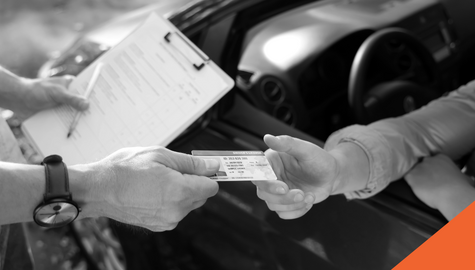
First, ensure everyone's safety and call 911 if anyone is injured. Ontario law requires you to report certain accidents to police, particularly those involving injuries or significant property damage.
- Exchange information with all parties involved, including:
- Names, addresses, and phone numbers
- Insurance company names and policy numbers
- Vehicle make, model, and licence plate numbers
- Details about the accident location and conditions
Avoid admitting fault at the scene, even if you believe you caused the accident. Fault determination is a complex process governed by Ontario's Fault Determination Rules, and your statements could be used against you later.
Filing Your Claim
Contact your insurance company as soon as possible—most policies require prompt notification of any accident. Your insurer will:
- Assign a claims adjuster to investigate the accident
- Determine fault based on Ontario's fault determination rules
- Assess the damages claimed by the injured party
- Negotiate settlements or defend you in court if necessary
Your liability coverage includes legal defence costs, so your insurance company will provide lawyers if you're sued. These legal fees are covered *in addition to* your policy limits, not deducted from them.
Settlement and Payment
If you're found at fault, your insurer pays the third-party claims up to your policy limit. This might include:
- Direct payment to medical providers for treatment costs
- Settlements negotiated with the injured party's lawyer
- Court-ordered judgments if the case goes to trial
What happens if the damages exceed your policy limit? This is the scenario that keeps insurance brokers up at night. If you cause $1.5 million in damages but only carry $500,000 in coverage, you're personally responsible for the remaining $1 million. The injured party can pursue your personal assets through wage garnishment, property liens, or forced sale of assets.
You can learn more about the claims process in our article on what to do after a car accident.
Can Someone Sue Me for More Than My Third-Party Liability Coverage?
Yes. If your liability coverage is insufficient to cover the damages you caused, the injured party can file a lawsuit against you personally for the difference.
Here's how it works: Your insurance company pays up to your policy limit, then you're on your own for any amount above that limit. If a court awards $2 million to an injured party and you only have $1 million in coverage, you're personally liable for the remaining $1 million.
Potential consequences include:
- Wage garnishment that diverts a portion of your paycheque to the judgment
- Liens placed on your home or other real property
- Seizure and sale of assets to satisfy the judgment
- Bankruptcy in extreme cases
This is why insurance professionals consistently recommend higher liability limits. The small premium increase for $2 million in coverage could save you from financial devastation.
According to Statistics Canada data from 2024, the average Canadian household held assets of approximately $1.2 million (including home equity). For many families, a single underinsured accident could wipe out decades of financial progress.
Is Third-Party Liability Alone Enough Coverage?
For most Ontario drivers, third-party liability by itself isn't sufficient protection. Here's why:
It Doesn't Cover Your Vehicle
If you cause an accident, liability insurance pays for the other driver's repairs—but you're responsible for fixing your own vehicle unless you have collision coverage. For families relying on a vehicle for work and daily activities, this gap can be financially crippling.
It Doesn't Cover All Situations
Liability insurance only applies when you're at fault. If you're hit by an uninsured driver or involved in a hit-and-run, you'll need other coverages to protect yourself. Many drivers add optional coverages to fill these gaps.
It Doesn't Replace Your Income
Ontario's accident benefits provide some income replacement if you're injured, but third-party liability doesn't help you at all. You'll want to review your accident benefits options with a licensed broker.
A comprehensive auto insurance policy typically includes:
- Third-party liability (mandatory)
- Accident benefits (mandatory)
- Direct compensation – property damage (mandatory)
- Collision (optional but recommended)
- Comprehensive (optional but recommended)
- Uninsured automobile (optional but valuable)
Families with newer vehicles or outstanding car loans should strongly consider adding collision and comprehensive coverage. Learn more about building a complete policy in our guide to bundling home and auto insurance.
How Third-Party Liability Affects Your Insurance Rates
Being found at fault in an accident triggers significant insurance consequences. Here's what you can expect:
Immediate Premium Increases
Your rates will increase at your next renewal, typically within 3 to 6 months of the accident. According to Applied Systems' 2025 Applied Rating Index, Ontario drivers saw average premium increases of 15% to 40% after their first at-fault accident, with higher increases for more serious claims.
Long-Term Rating Impact
At-fault accidents remain on your driving record for six years in Ontario, affecting your premiums throughout that period. Even if you don't file another claim, insurers consider your history when calculating your rates.
Potential for Policy Non-Renewal
Multiple at-fault accidents can make you a high-risk driver, and some insurers may refuse to renew your policy. You might need to seek coverage through the Facility Association, which typically comes with significantly higher premiums.
Some insurers offer accident forgiveness, which protects your rates after your first at-fault accident. If this coverage is available on your policy, it can be valuable protection for experienced drivers with clean records.
Protecting Your Growing Family with Adequate Liability Coverage
For young families in Ontario, adequate third-party liability coverage is one of the most important financial protections you can have. Consider these scenarios:
Scenario 1: The School Run Accident
You're driving your kids to school on a rainy morning when your vehicle slides through an intersection, striking another car. The other driver suffers serious back injuries requiring surgery and months of rehabilitation. Total costs: $850,000.
With $1 million in liability coverage, your insurance handles the entire claim. With minimum $200,000 coverage, you're personally liable for $650,000—potentially forcing you to sell your home or declare bankruptcy.
Scenario 2: The Highway Collision
During a family road trip, you fail to see a vehicle in your blind spot while merging on the 401. The collision injures three people in the other vehicle. Combined medical costs, lost wages, and pain and suffering claims total $2.3 million.
With $2 million in coverage, you're still exposed to $300,000 in personal liability. With minimum coverage, you face a $2.1 million shortfall that could devastate your family's financial future.
These aren't scare tactics—they're real scenarios that Ontario families face every year. A licensed insurance broker can help you evaluate your specific risks and choose appropriate coverage limits based on your assets, driving patterns, and family situation.
Frequently Asked Questions
What is the minimum third-party liability insurance required in Ontario?
The minimum third-party liability coverage required in Ontario is $200,000. However, most insurance professionals recommend at least $1 million in coverage due to the high cost of injury claims and legal settlements. The premium difference between minimum and recommended coverage is typically modest compared to the protection gained.
Does third-party liability cover my own vehicle damage?
No, third-party liability only covers damage and injuries you cause to others. To protect your own vehicle, you need collision coverage for at-fault accidents and comprehensive coverage for non-collision events like theft or weather damage. A BIG broker can explain the differences and help you build appropriate coverage.
What happens if my liability claim exceeds my coverage limit?
If damages exceed your policy limit, you become personally responsible for the difference. The injured party can sue you and pursue your personal assets including your home, savings, and wages. This is why higher liability limits are strongly recommended—the additional premium cost is small compared to the financial protection provided.
How does third-party liability work if I hit an uninsured driver?
Your third-party liability covers damage you cause to uninsured drivers just as it would for insured drivers. However, if an uninsured driver hits you, your own liability coverage won't help—you'll need Direct Compensation – Property Damage (DCPD) or optional uninsured automobile coverage to protect yourself.
Will my rates increase after a third-party liability claim?
Yes, at-fault accidents that trigger liability claims typically result in premium increases at your next renewal. The increase depends on the severity of the claim, your driving history, and your insurer's rating structure. At-fault accidents remain on your record for six years in Ontario.
Can I reduce my third-party liability limits to save money?
While you can reduce coverage to the $200,000 minimum to lower your premium, this creates significant financial risk. Most insurance professionals strongly discourage reducing liability limits because the potential personal liability far outweighs the premium savings. There are safer ways to reduce your insurance costs without compromising essential protection.
Get the Right Liability Protection for Your Family
Third-party liability insurance is your financial safety net on the road. With the rising cost of injury claims and potential lawsuits, adequate coverage isn't just recommended—it's essential for protecting everything you've worked to build.
Not sure if your liability limits are high enough? A BIG broker can review your current policy, explain your options, and recommend appropriate coverage based on your assets and risk profile. Our team works with multiple insurers to find the right protection at competitive rates.
Get a car insurance quote today, or contact a BIG broker to discuss your liability coverage needs. We're here to help Ontario families drive with confidence and peace of mind.